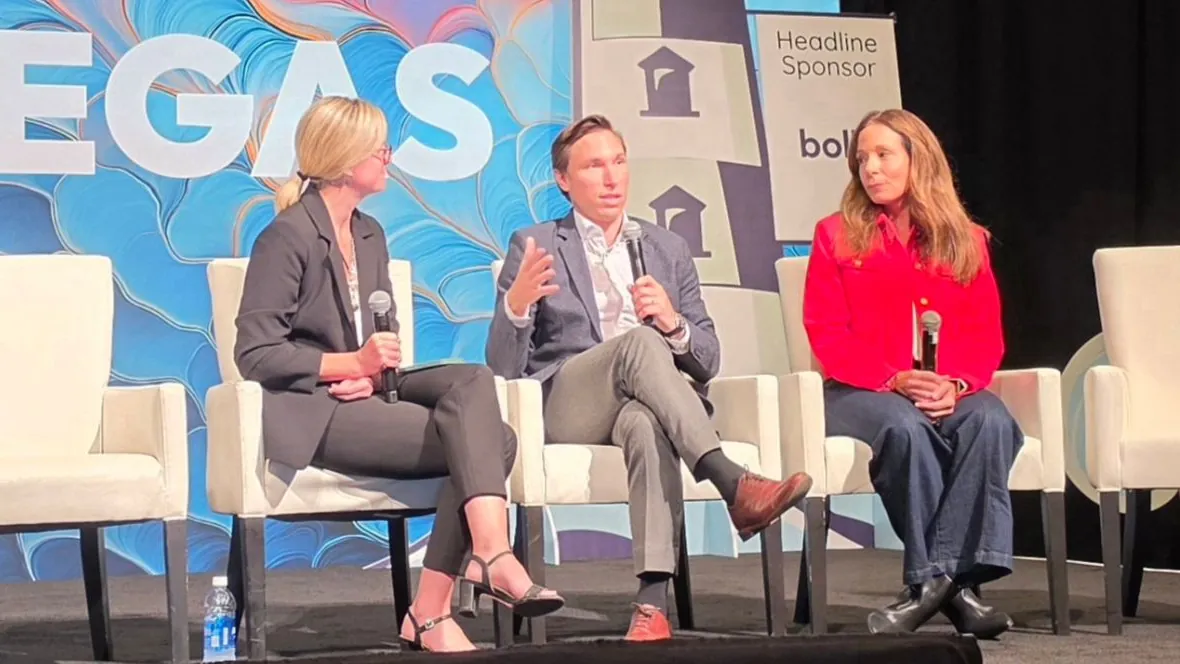
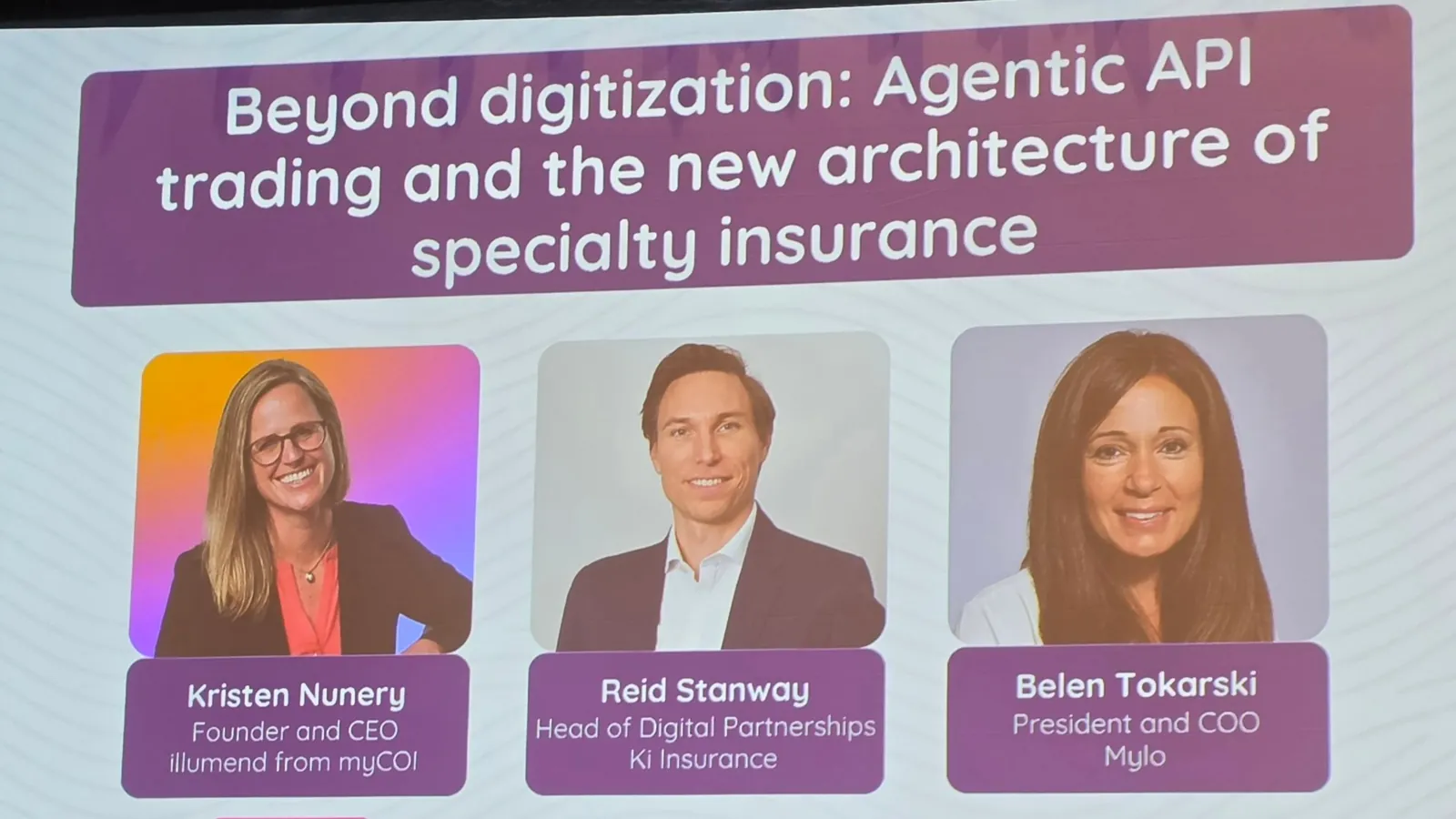
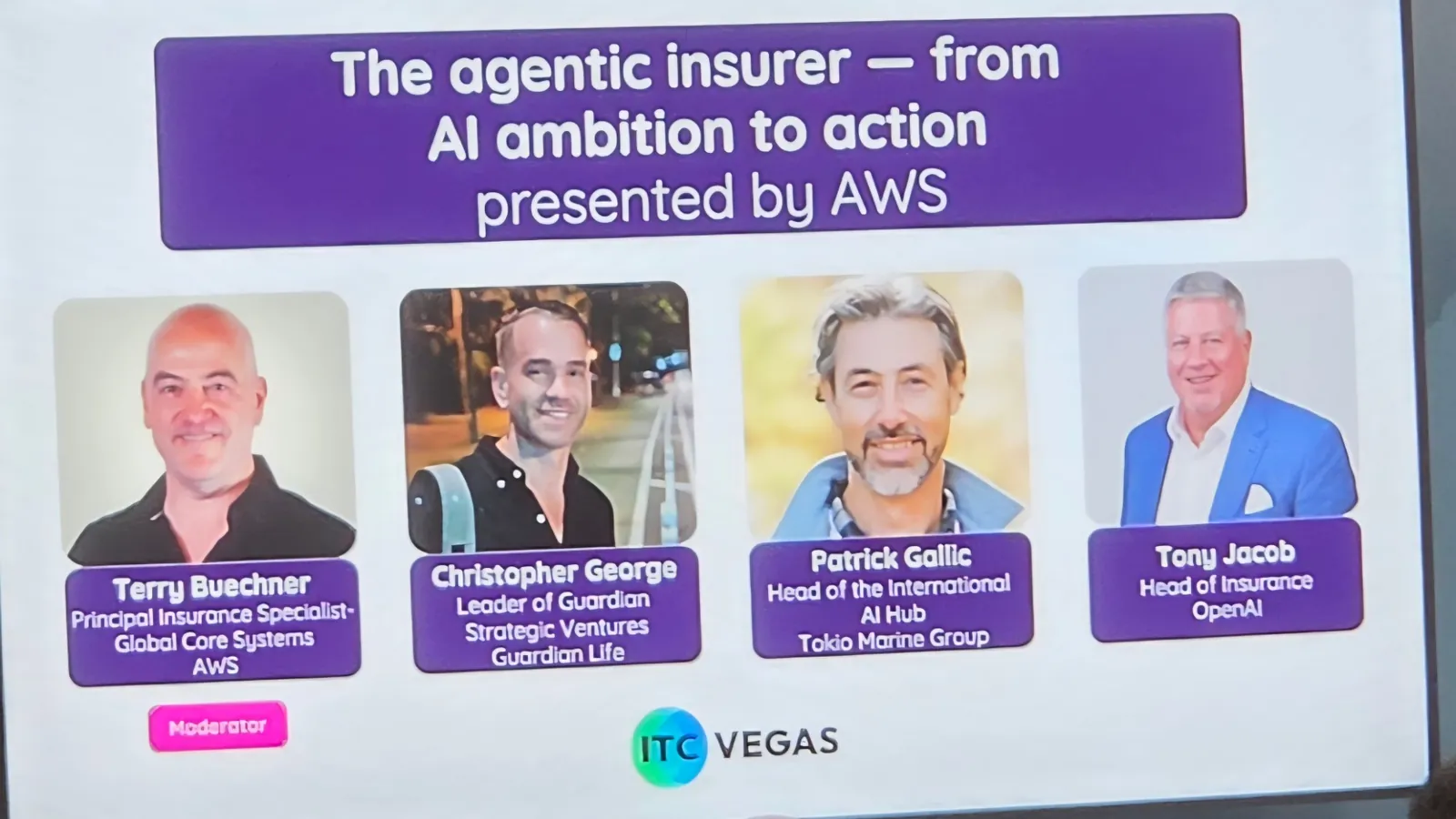
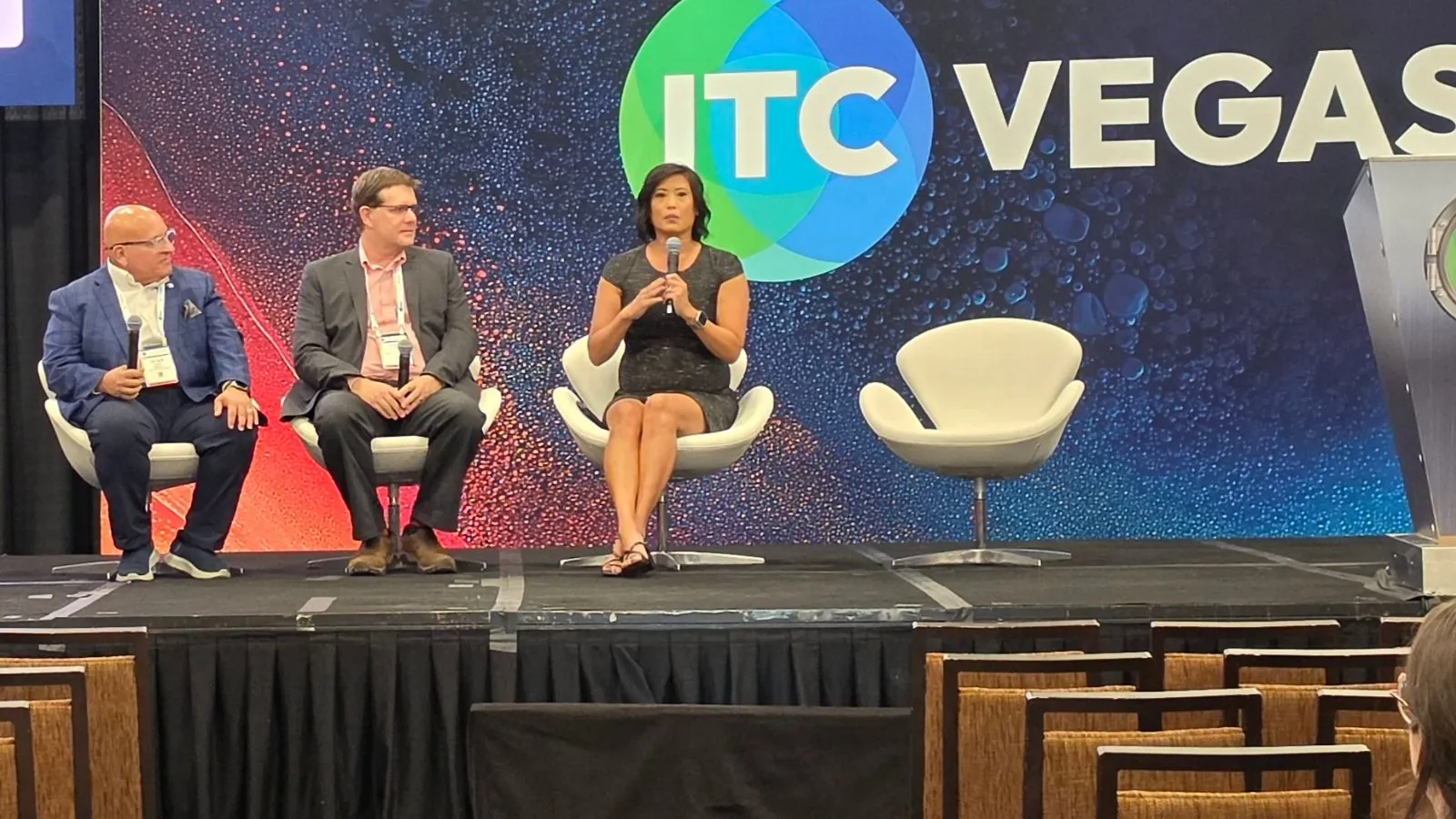
AI-powered specialty distribution: Connecting opportunity to coverage
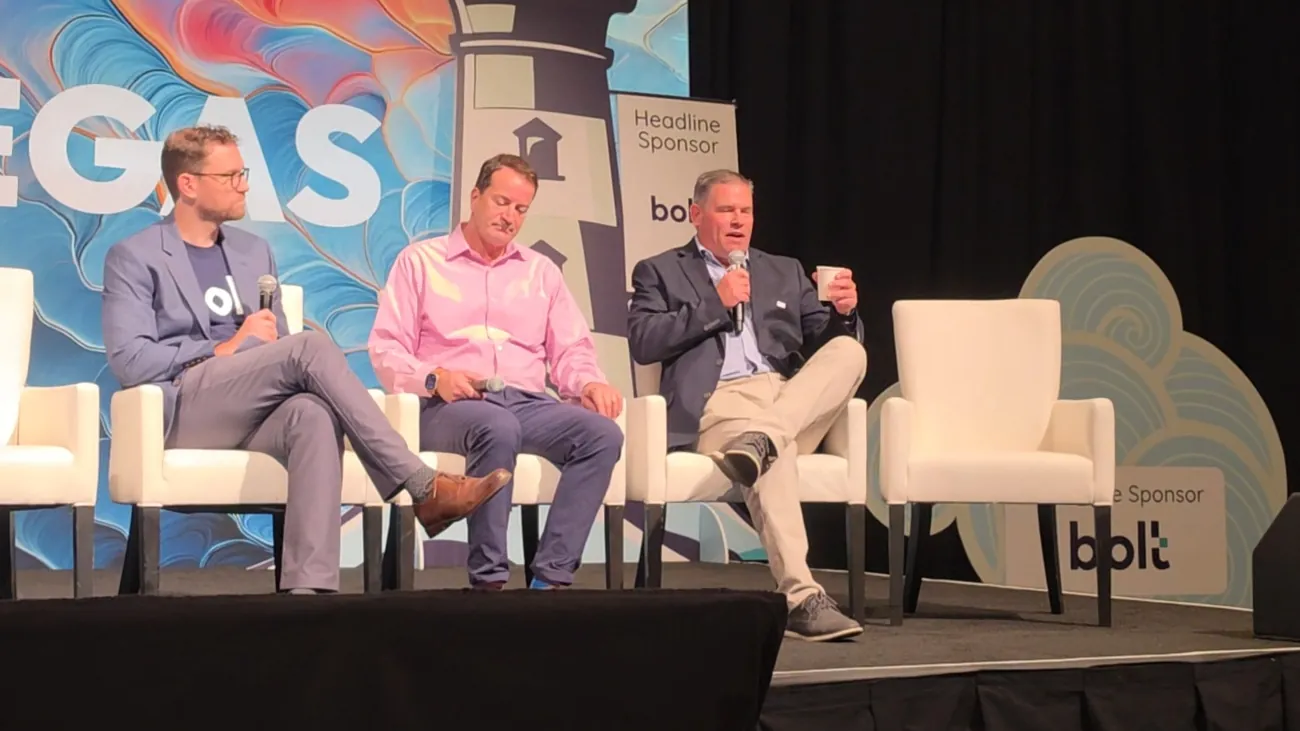
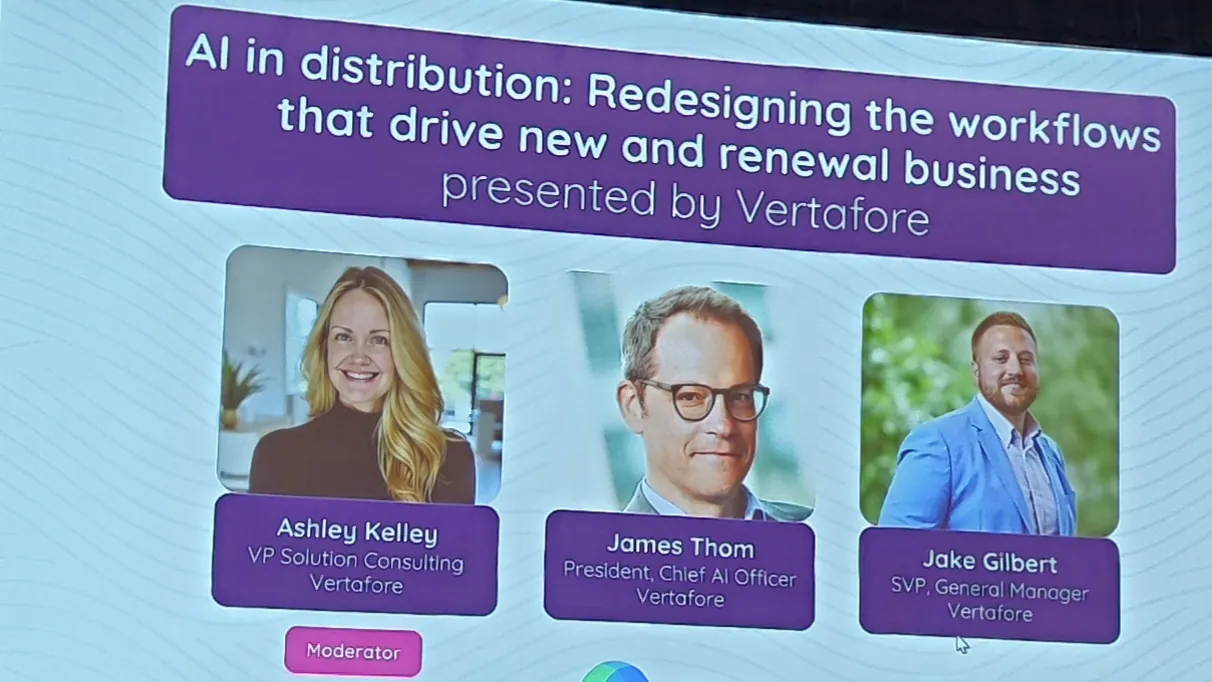
AI and distribution technology earn their place when they help a customer find the right coverage. Not when they generate more leads, and not when they automate for the sake of automating.
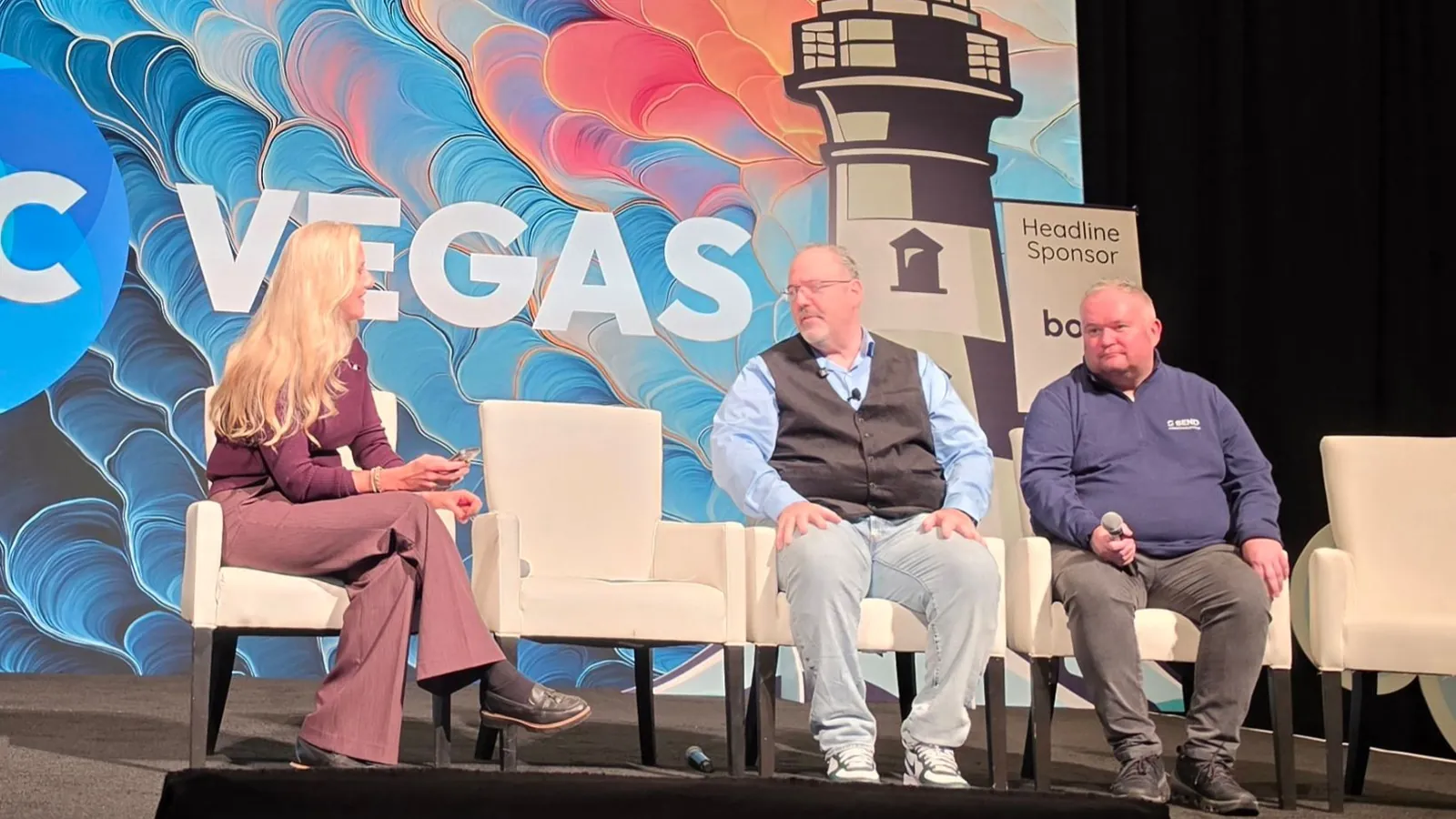
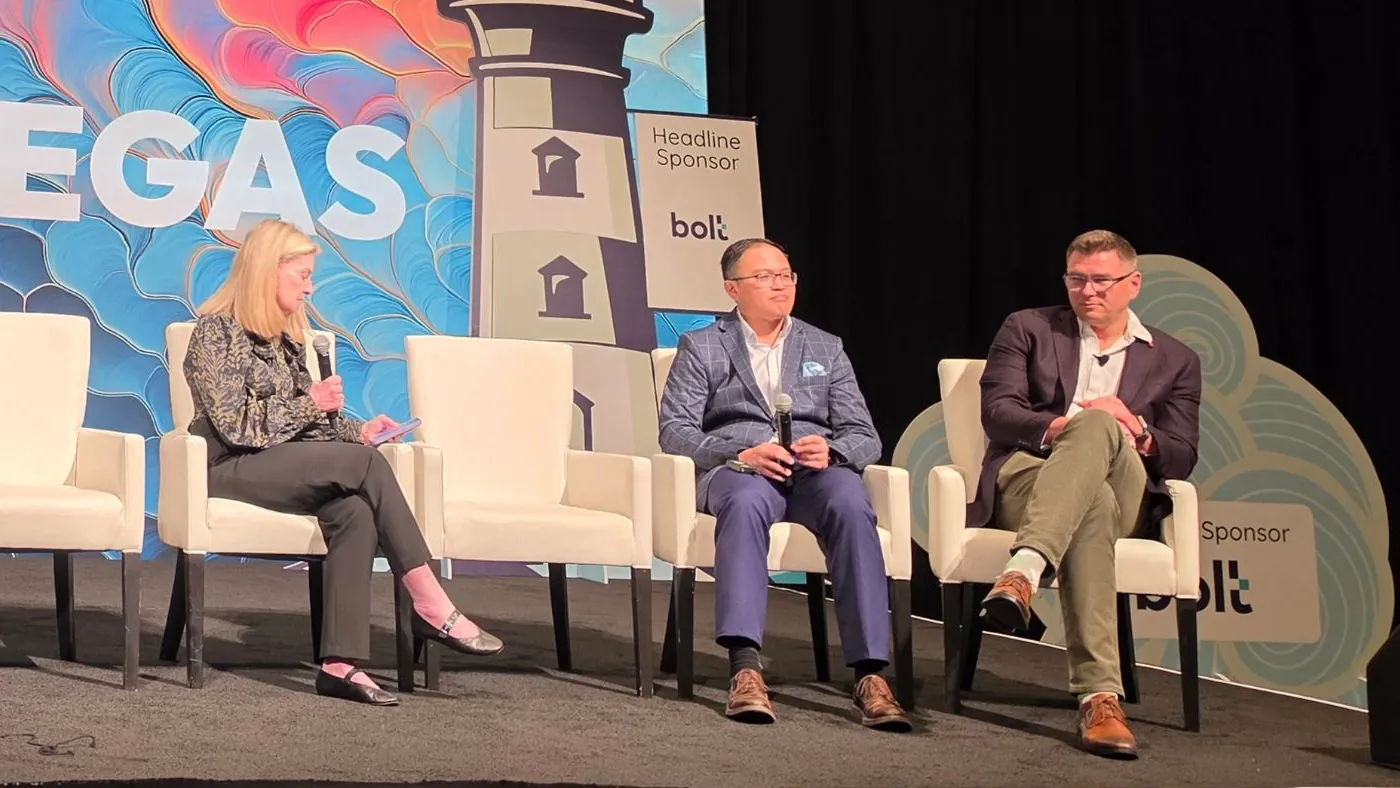
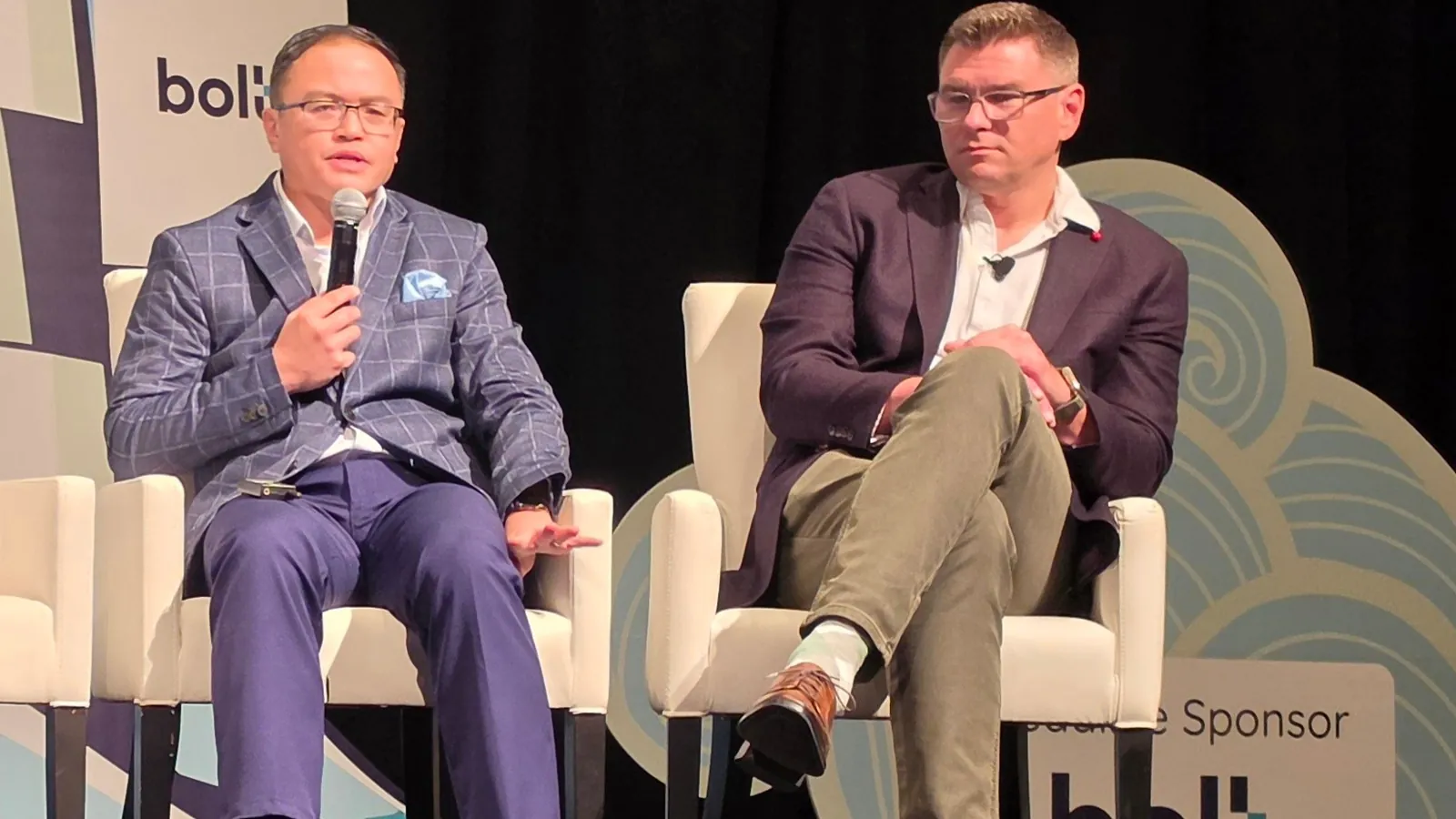
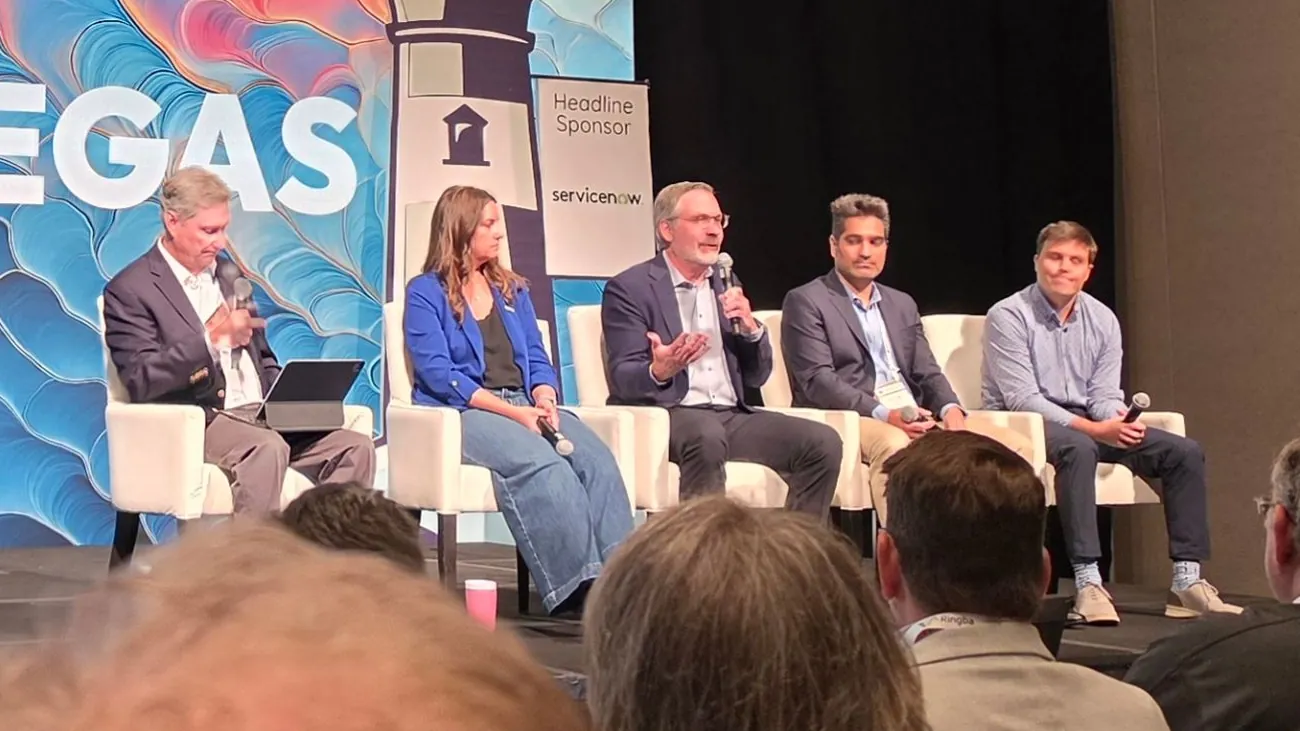
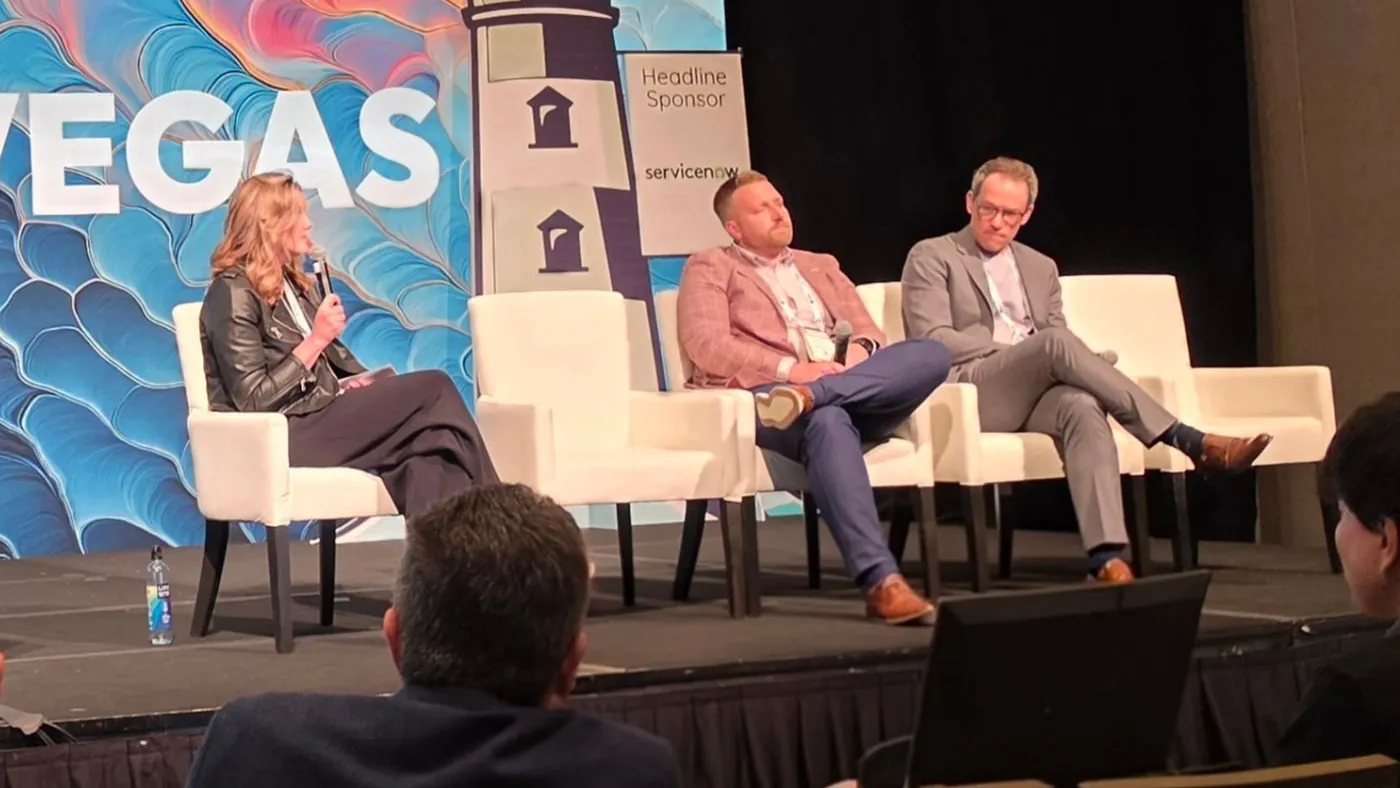
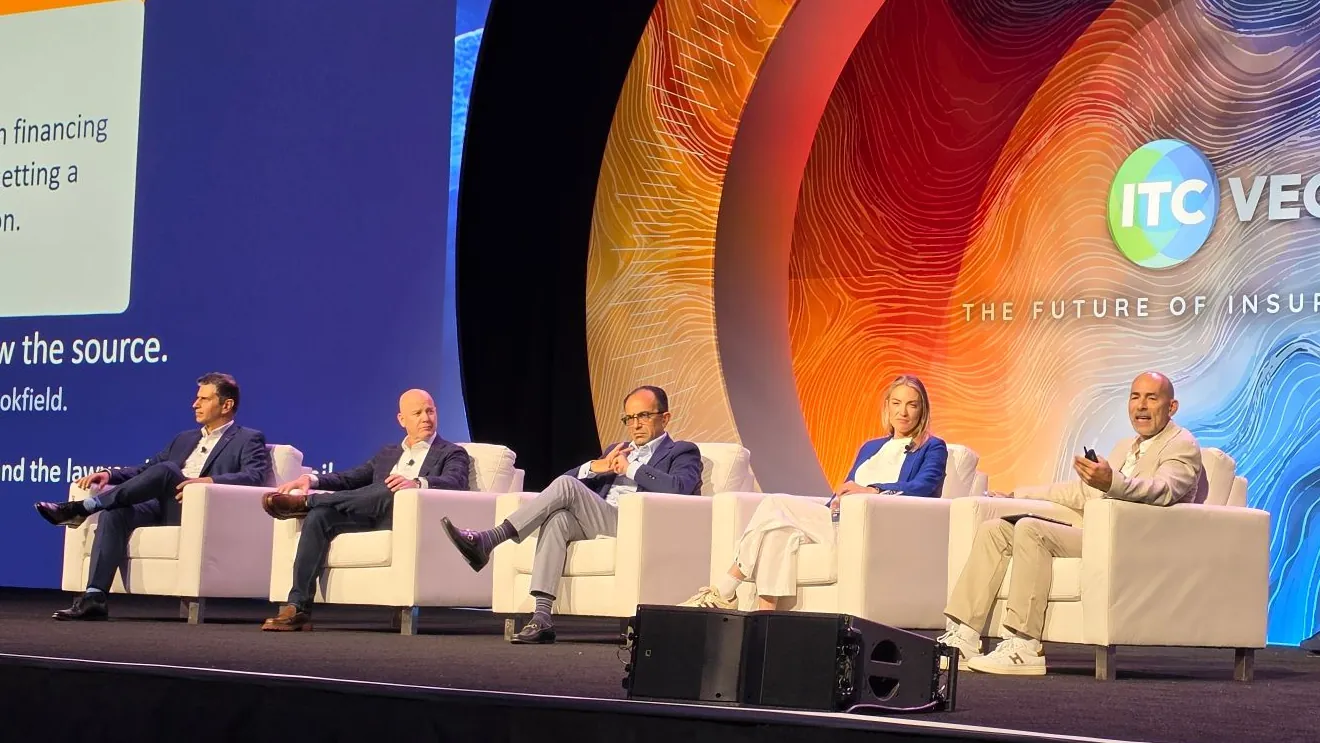
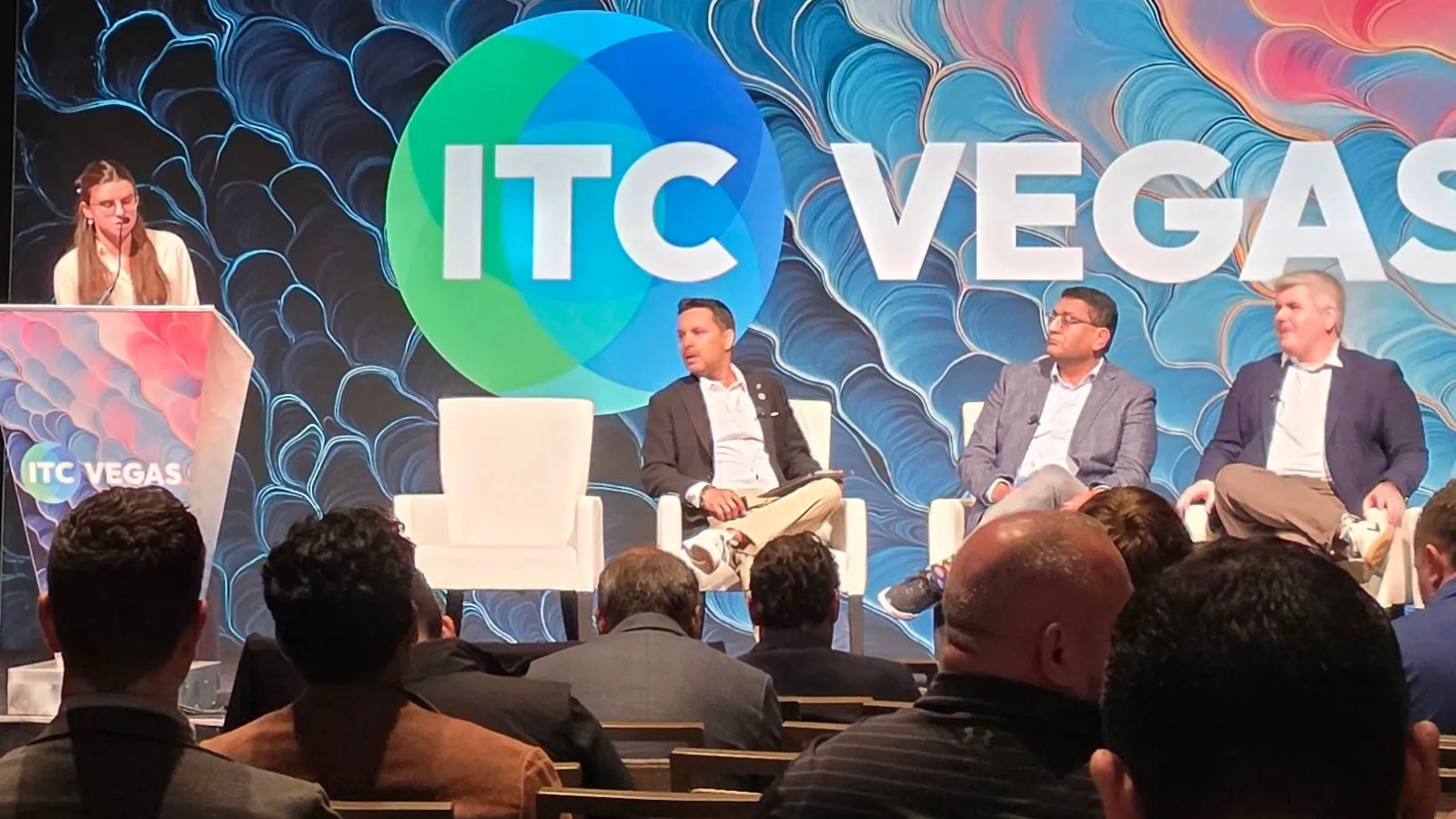
The panel was clearest about where specialty distribution matters most. As more admitted and excess and surplus carriers return to the market, standard risks are getting easier to place. The harder problem is complex risk, such as property in high-wildfire areas, where capacity is thin and brokers struggle to find any alternative to the FAIR Plan.
- Good triage includes knowing when to refer. No agency is expert in every product or appointed with every carrier. A strong process recognizes when a risk is not a fit and routes the customer to a carrier, agency, or specialist who can help, instead of leaving them with one poor option or none.
- Insurance-specific AI can improve the match. AI can help agents surface needs the customer did not mention and point the risk toward a better-fitting market. It supports placement and underwriting workflows. It does not replace the carrier’s underwriting.
- Automation pays off in retention, not just acquisition. Streamlining renewals and servicing frees agents for the ongoing conversations that keep customers.
- The opportunity is connecting a fragmented market. With so many specialized MGAs and carriers, the value is in helping an agent see which solution fits which risk.
My take: This is the version of AI in insurance I find most credible. It does not promise to replace judgment. It makes a complicated marketplace easier to work through and gives agents time back for the relationships that drive renewals. The test for any distribution tool is simple: does it get the customer to the right coverage faster, including when the right answer is somewhere else?